 By Amber Wotring, Custom Home Builder & Architectural Designer Guides
Building a Custom Home in Tennessee: 5 Things to Know Before You Start
Building a custom home is one of the biggest financial and personal decisions most people ever make — and one of the most rewarding. Unlike buying an existing house or a production builder's spec home, a custom build means every square foot, every finish, and every design decision is yours. That freedom is exciting, but it comes with a learning curve.
The families who feel most confident going into a build are the ones who understand a handful of things up front. Whether you're building in Clarksville, elsewhere in Montgomery County, or on acreage across Middle Tennessee, here are the five that matter most.
1. Land Shapes Everything Else
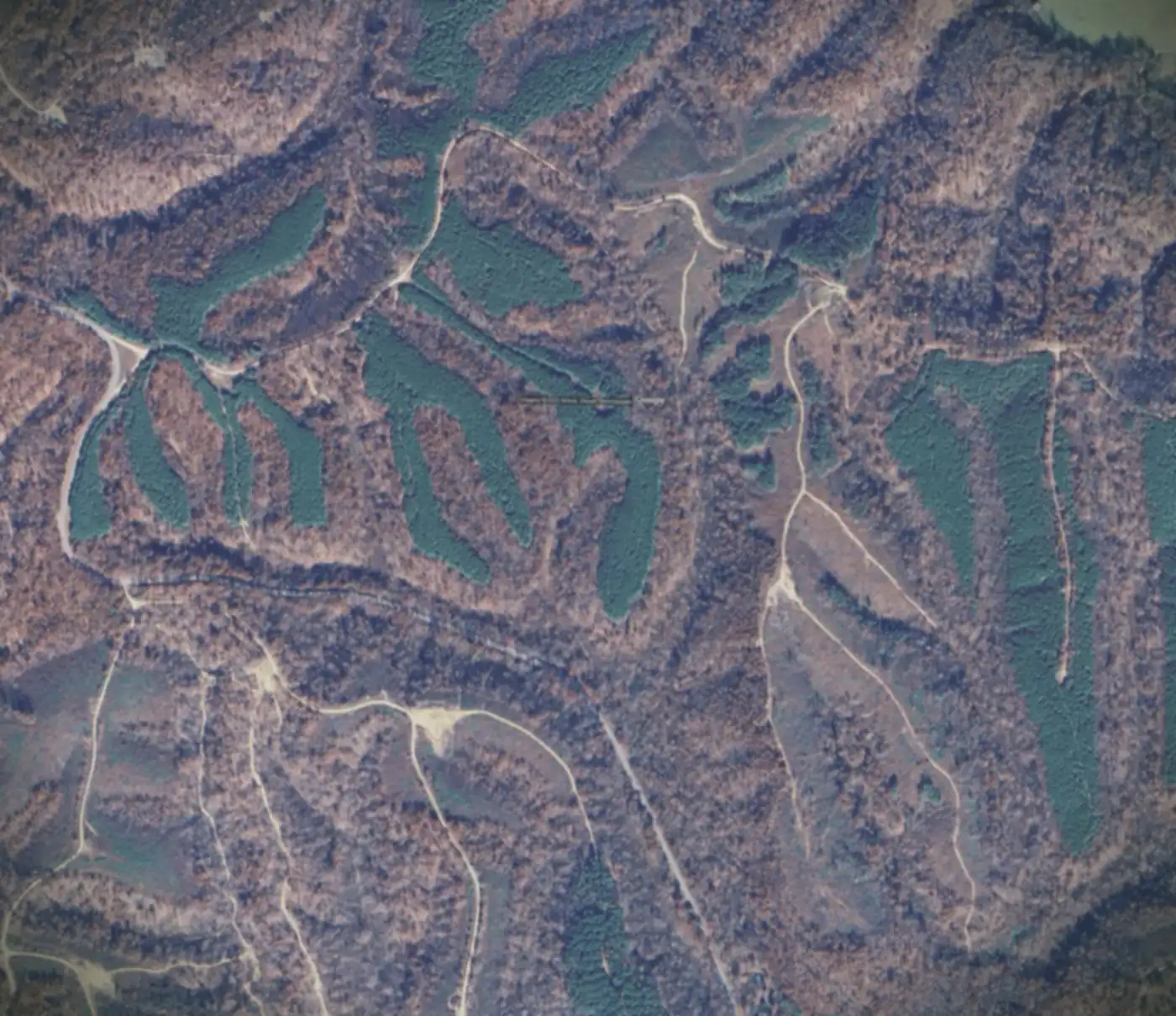
Your homesite isn't just a backdrop for the house — it determines your floor plan, your foundation, your utility costs, and even your design style. Before you fall in love with a plan, understand:
- Topography and drainage, which affect foundation costs and site prep
- Soil conditions, which can require extra engineering — and, without public sewer, decide how many bedrooms a septic permit will allow
- Utility access: public water or a well, sewer or septic, electric service, and internet
- Zoning, deed restrictions, and covenants, especially in fast-growing areas around Clarksville and Fort Campbell
- Setbacks and easements, which determine where on the lot you can build
A good custom builder will walk the lot with you before design work begins. For rural land, our guide to buying land to build a house in Tennessee breaks down the septic, well, power, and driveway costs that don't appear on a land listing.
2. Your Budget Needs to Include More Than the Build Cost
First-time custom home buyers are often surprised by what falls outside the base construction contract. A realistic budget accounts for:
- Land and site preparation — clearing, grading, driveway, and utilities
- Permits, surveys, and impact or tap fees
- Design and engineering fees
- Landscaping, fencing, and exterior finishing
- A contingency of 10–15% for selection upgrades or unforeseen site conditions
A builder who provides a transparent, itemized estimate early is the best protection you have against budget surprises later.
3. Construction Financing Works Differently Than a Mortgage
A custom build is usually financed with a construction loan, not a standard mortgage, and the mechanics catch people off guard:
- Money is released in draws. The lender pays the builder in stages as work is completed and inspected, rather than in one lump sum.
- You typically pay interest only on what's been drawn during construction, so payments start small and grow as the house goes up.
- One-time-close vs. two-time-close. A construction-to-permanent (one-time-close) loan converts to your mortgage when the home is finished, with one set of closing costs. A two-time-close loan pays off the construction loan with a separate mortgage at the end.
- The lender underwrites the project, not just you. Expect to provide plans, specifications, the signed contract, and a detailed budget — and expect the appraisal to be based on the plans.
Eligible veterans and service members can also finance a new build with a VA loan, often with no down payment. Our guide to building a new home with a VA loan near Fort Campbell explains how it works and what to ask lenders.
4. Design and Selections Take Time — Plan for It
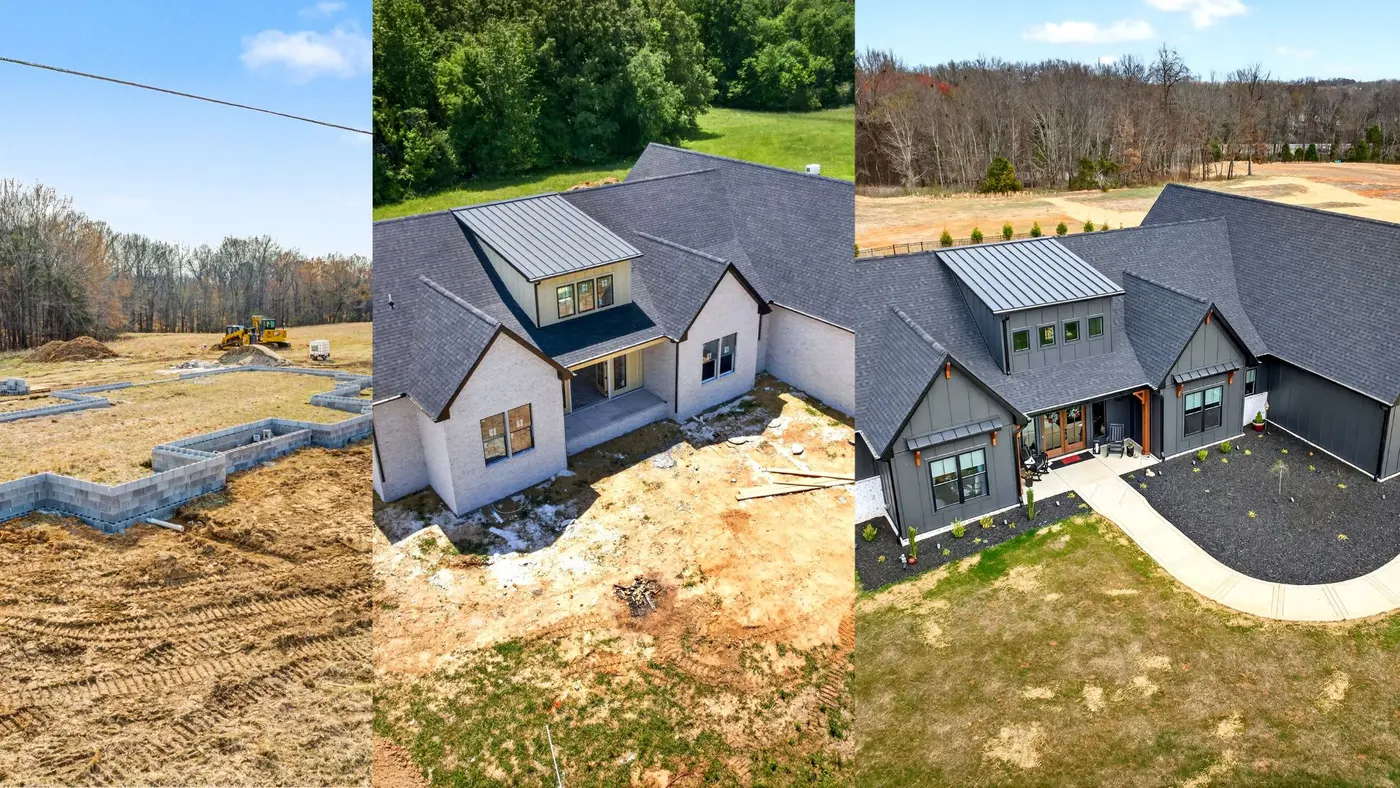
One of the most common misconceptions about custom building is that the timeline starts when construction begins. In reality, design, engineering, permitting, and selections — flooring, cabinetry, fixtures, paint, countertops — can take several months before anyone breaks ground. Construction itself typically runs nine to fourteen months, so twelve to sixteen months from first design meeting to move-in is a realistic expectation.
Rushing the front end is one of the top causes of change orders and budget overruns. The smoothest projects are the ones where clients lock in major selections — kitchen layout, primary suite design, exterior materials — before the foundation is poured, rather than deciding on the fly mid-construction.
5. The Builder You Choose Matters More Than the Plan
The builder determines everything from how often you hear about progress to the quality of the materials behind your walls. Comparing builders on price per square foot alone misses the point: premium framing, quality windows, properly sized and installed HVAC, and experienced trades cost more up front but pay you back for decades in lower energy bills and fewer repairs.
Before signing, verify the builder's Tennessee contractor license and its monetary limit, walk an active jobsite, and talk to past clients. Our guide on how to choose a custom home builder in Clarksville covers the eight questions worth asking and the red flags worth walking away from. You can also see how we run every project, step by step, on our process page.
Frequently Asked Questions
How long does it take to build a custom home in Tennessee?
Construction typically takes nine to fourteen months. Including design, selections, and permitting, plan on about twelve to sixteen months from the first design meeting to move-in.
How much contingency should I budget for a custom home?
Plan for a contingency of 10–15% of the construction budget to cover selection upgrades and unforeseen site conditions. Rural lots with unknown soil or rock may justify the higher end of that range.
Do I need to own land before I talk to a builder?
No. Talking to a builder first is often better: they can evaluate a lot before you buy it, flag septic, access, and slope issues, and help you budget the site work. Some builders also have lots available in their own communities.
How does a construction loan work?
The lender releases money in draws as each stage of construction is completed and inspected, and you typically pay interest only on the amount drawn. With a one-time-close loan, it converts to a regular mortgage when the home is finished.
Thinking about building a custom home in Clarksville or Middle Tennessee? Contact our team for a no-obligation consultation, explore our floor plans, or see what's underway in our current builds.